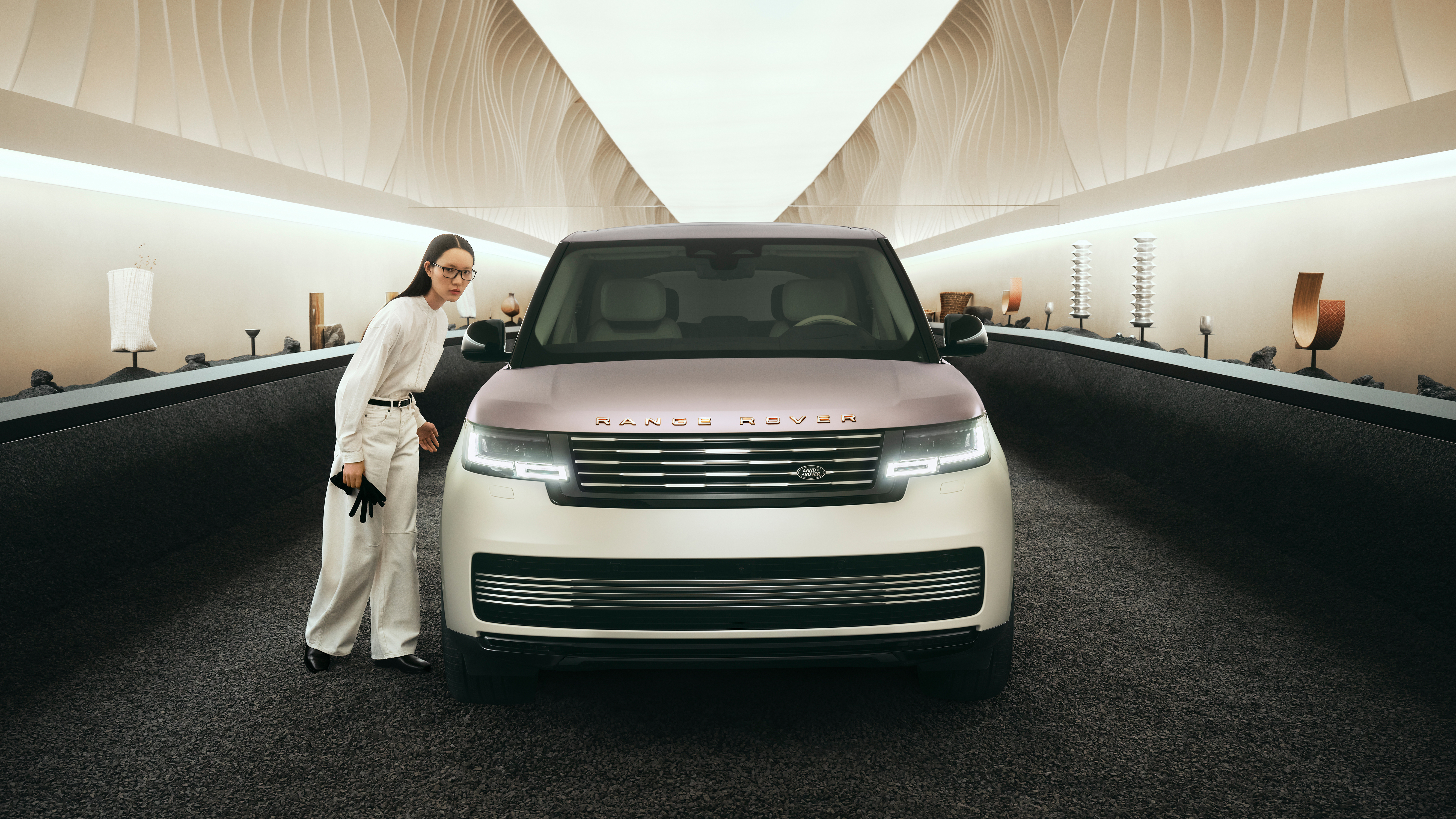
I had to learn some new terms when I was driving the Range Rover L460 recently, both on a commute and for a few joy rides in the country by my house.
One of them is Modular Longitudinal Architecture, which is a fancy way of saying the Range Rover is built to reduce road noise. The entire vehicle is built to make sure you can whisper to the kids in the backseat or have a long conversation with your spouse and never even notice the engine roar of a motorcycle down some dark alleyway in a downtown area.
The metal used for the Range Rover is both highly rigid and incredibly safe, which is something I can tell when driving one. How do I know this? I’m not exactly sure. I own a BMW 3 Series and have a similar sensation of weight and heft, like the vehicle is just well made. I’m sure there is some deep scientific reason we can tell when something is heavy, but for me it’s more of a sixth sense—especially after driving many budget cars over the years that feel light and not that rigid.
The rigid body parts help with safety but, as a nice perk, they also reduce vibrations and minimize the noise. In other words, there’s nothing to rattle and nothing that will let noise into the cab in the first place. It’s almost eerie how quiet the Range Rover is to drive.
There’s something else going on, though. I found out that Range Rover uses noise cancellation to counteract any annoying sounds coming from the roadway or other vehicles. I recall passing a car coming in the other direction that really needed a muffler and thinking that it was barely audible to me in this pristine sanctuary. Similar to how noise-canceling headphones work, the car can counteract noises through the headrests. The description for how this works is so detailed and fun to read that I am including it in full here:
“Next-generation Active Noise Cancellation eliminates unwanted noises, vibrations and distractions. It reduces the cognitive load on the driver and passengers, helping everyone arrive at their destination feeling refreshed. Noise cancelling headrest speakers, a world-first, create individual quiet zones for ultimate cabin refinement. Four accelerometers and microphones around the outside of your Range Rover monitor wheel vibrations, tyre noise and engine sounds, generating a cancelling signal played through the vehicle’s 35 main speakers.”
I love that because it matches up to reality. On my commute to a remote office and on several drives in the country—you know, to test out the speakers and the driving mechanics, which is really just an excuse to unwind while cranking Death Cab for Cutie—I kept noting how there just isn’t any road noise. Turning the music off, I drove with a passenger and didn’t feel like I had to raise my voice at all. We spoke in a normal voice and never had to repeat anything.
That is not my normal experience. Usually, there are some horns blaring and even just the sound of the tires on long trips, and I don’t always catch every word. The Range Rover became a cocoon of quietness that I didn’t even know I needed.