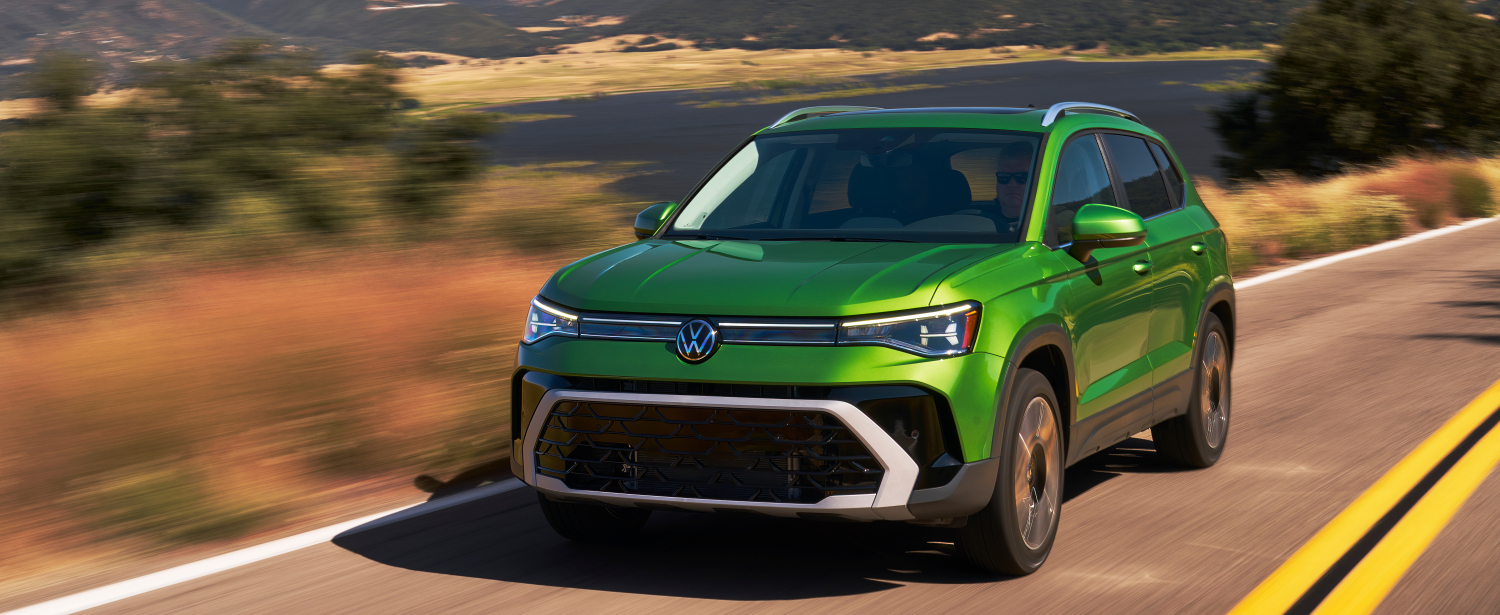
I first noticed this impressive tech perk in the 2026 Volkswagen Taos after a few trips to a major metro area near my house and a longer road trip across the state. Putting miles on a test vehicle often reveals key differences between model years—especially when compared to my personal daily driver. (Which isn’t so lame—it’s a 2020 BMW 3 Series with a punchy 6-cylinder engine, but in terms of cabin tech, it’s getting a bit dated.)
In my own car, the standard USB port feels like something meant for an old flip phone. In the 2026 Taos, however, there are two distinct charging options that immediately stand out: a highly reliable fast-charge wireless pad and a robust 45-watt USB-C fast charger.
I upgraded to fast chargers in my home a long time ago, so finding this level of power in a vehicle is a breath of fresh air. Since I’m usually reviewing smartphones alongside vehicles, I tend to carry more than one device, making reliable in-car charging an absolute necessity.
The problem with most wireless car chargers
On a shorter trip into the city, I dropped an older iPhone onto the Taos’s wireless charging pad, located conveniently between the front seats. The battery was struggling at 20%, and I knew I’d need a decent charge for a coffee shop work session later.
The problem with many cars—even brand-new models I test weekly—is that their wireless pads often act like trickle chargers. Worse, if the phone isn’t sitting in the exact right spot, it won’t charge at all. You can usually check this by looking for the charging icon on Apple CarPlay or Android Auto. All too often, you hit a pothole, the phone shifts slightly, and the connection drops. Usually, I won’t even realize this until I reach my destination and see a dead battery.
Real-World Testing: Rock-solid wireless and 45W USB-C
That frustrating disconnect never happened in the Taos.
An hour into my drive, my older iPhone had easily hit a 50% charge. More importantly, the phone stayed perfectly aligned on the pad without dislodging or losing its connection once. It’s incredibly convenient to just drop the phone on the pad and go, keeping the cabin completely free of dangling cables.
For wired charging, the results were even more impressive. Cars are now an extension of our digital lives, and the 45W USB-C port proves it. On my longer drive out of town, I plugged in my second test phone—a Google Pixel 10 Pro. It charged almost to full during the trip, ensuring I could stay connected, stream my music, and use navigation without an ounce of battery anxiety.
The Verdict: Volkswagen understands modern drivers
Both charging methods have their distinct advantages. If I’m driving and deeply invested in a podcast, I don’t want to pull over just to fix a loose connection—in those critical moments, a high-speed USB-C cable offers peace of mind. On the other hand, the wireless pad is perfect for short hops and a clutter-free interior.
Ultimately, this charging setup shows that VW understands what modern drivers actually want. Yes, performance and fuel economy are critical. But when a car makes it effortless to stay connected, entertained, and powered up on the go, we all become much happier drivers.